Why Tamil Nadu
The World's Longest Temple Tradition
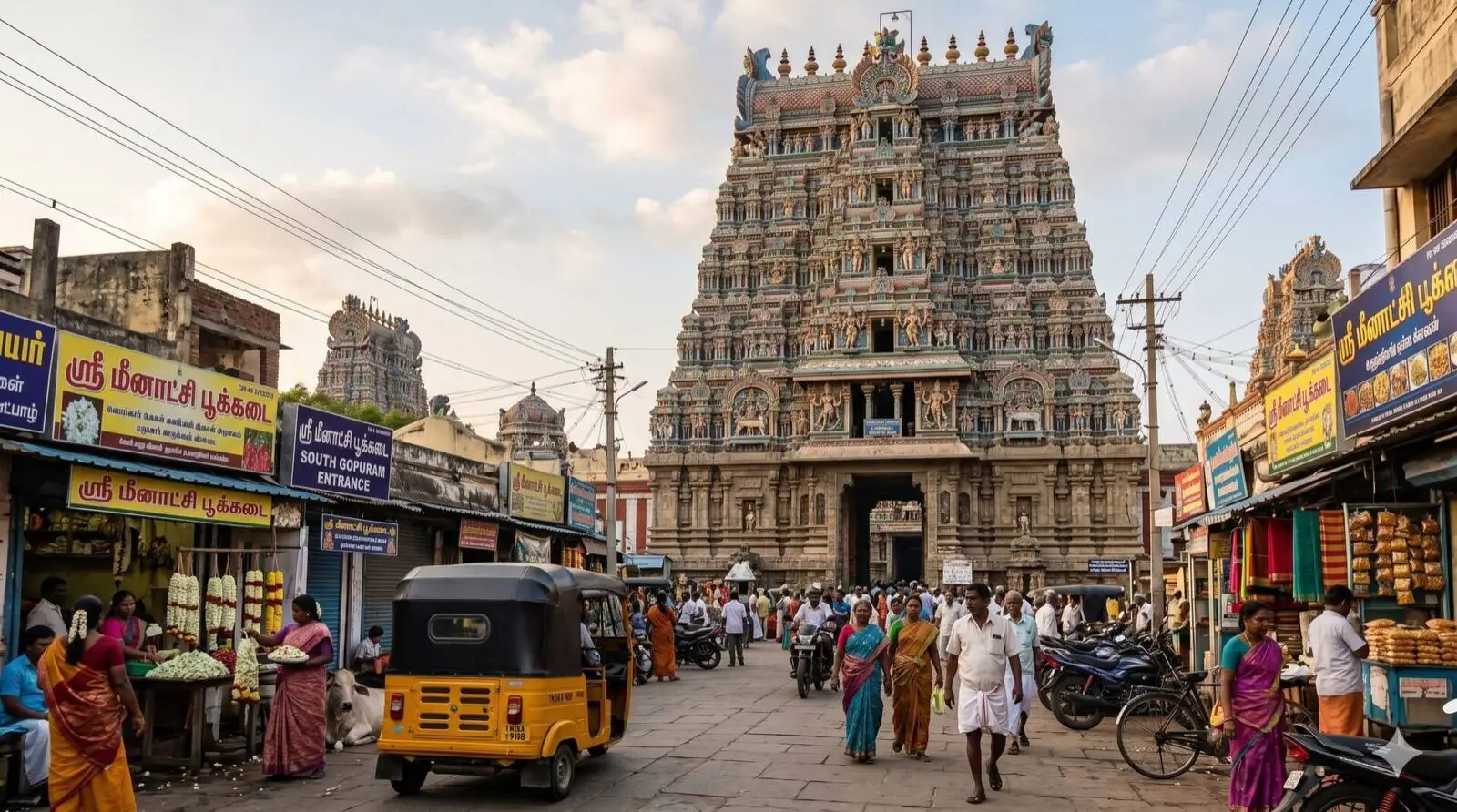
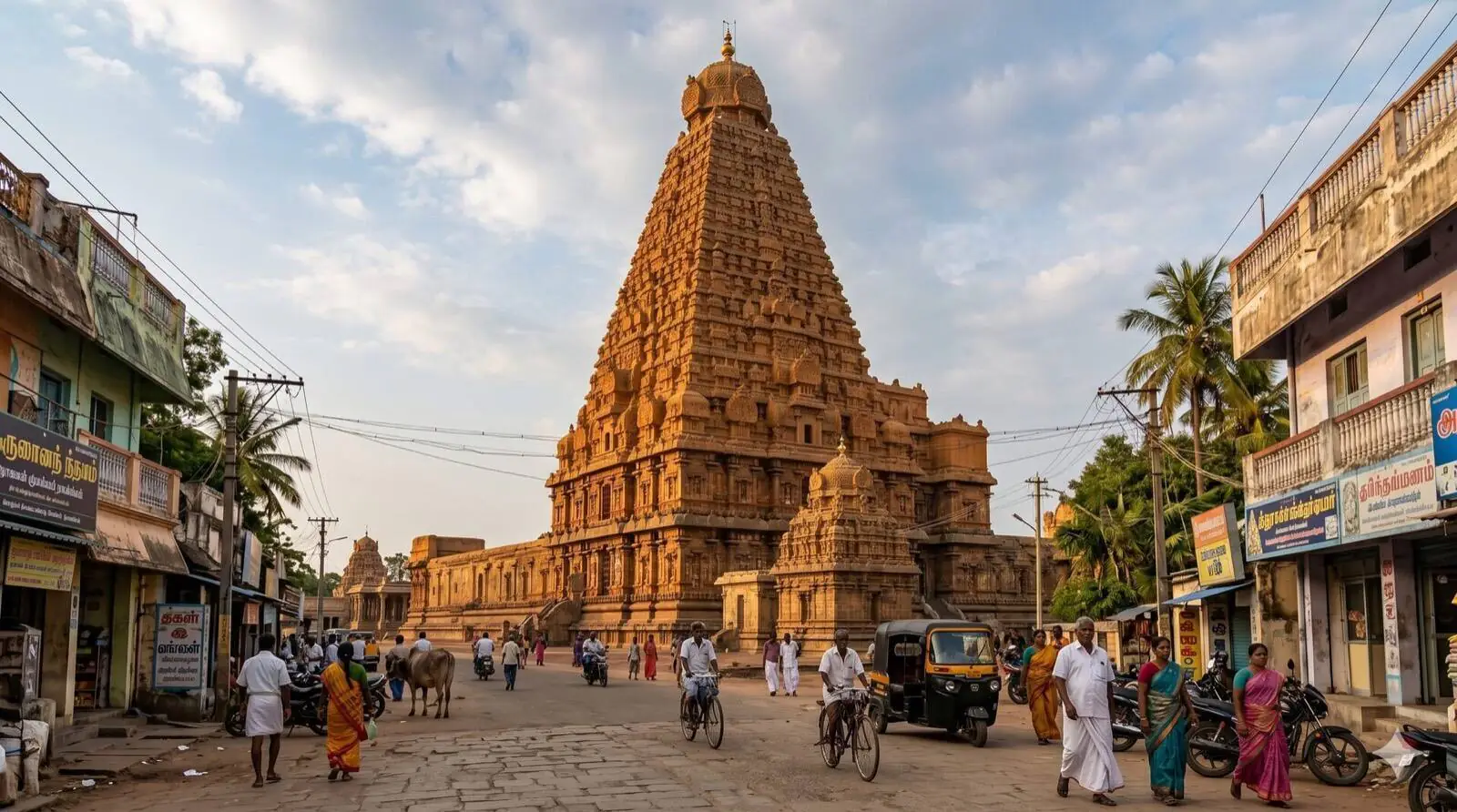
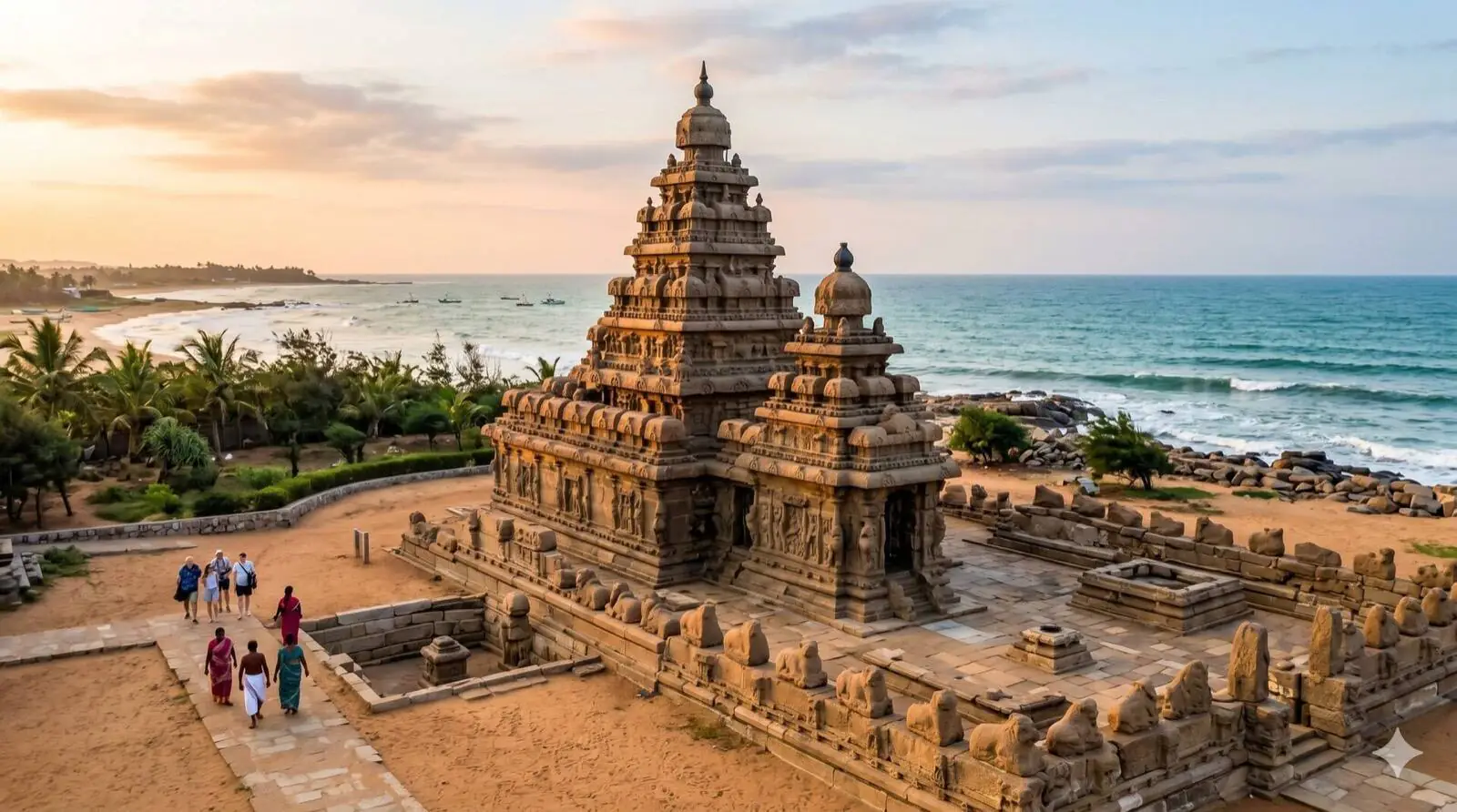
Tamil Nadu has the longest unbroken tradition of temple architecture on earth — from the 7th-century Pallava monuments at Mahabalipuram through the 10th-century Chola masterpieces at Thanjavur to the 16th-century Nayaka extensions at Madurai. The temples are not museums. They are living working places of worship where priests perform the same rituals their predecessors did 1,000 years ago, the bronzes are still bathed in milk, and the elephant at Madurai's Meenakshi temple still blesses devotees.
Tamil culture is also South India's most self-contained. The language, cuisine, music (Carnatic), classical dance (Bharatanatyam), and political identity have remained distinct for two millennia. Tamil isn't a derivative of anything — it's one of the world's two classical languages with continuous literary tradition. The state's food culture (idli, dosa, sambhar, filter coffee) became "South Indian cuisine" globally, but the Chettinad belt and the Tamil Brahmin kitchen are deeper still.
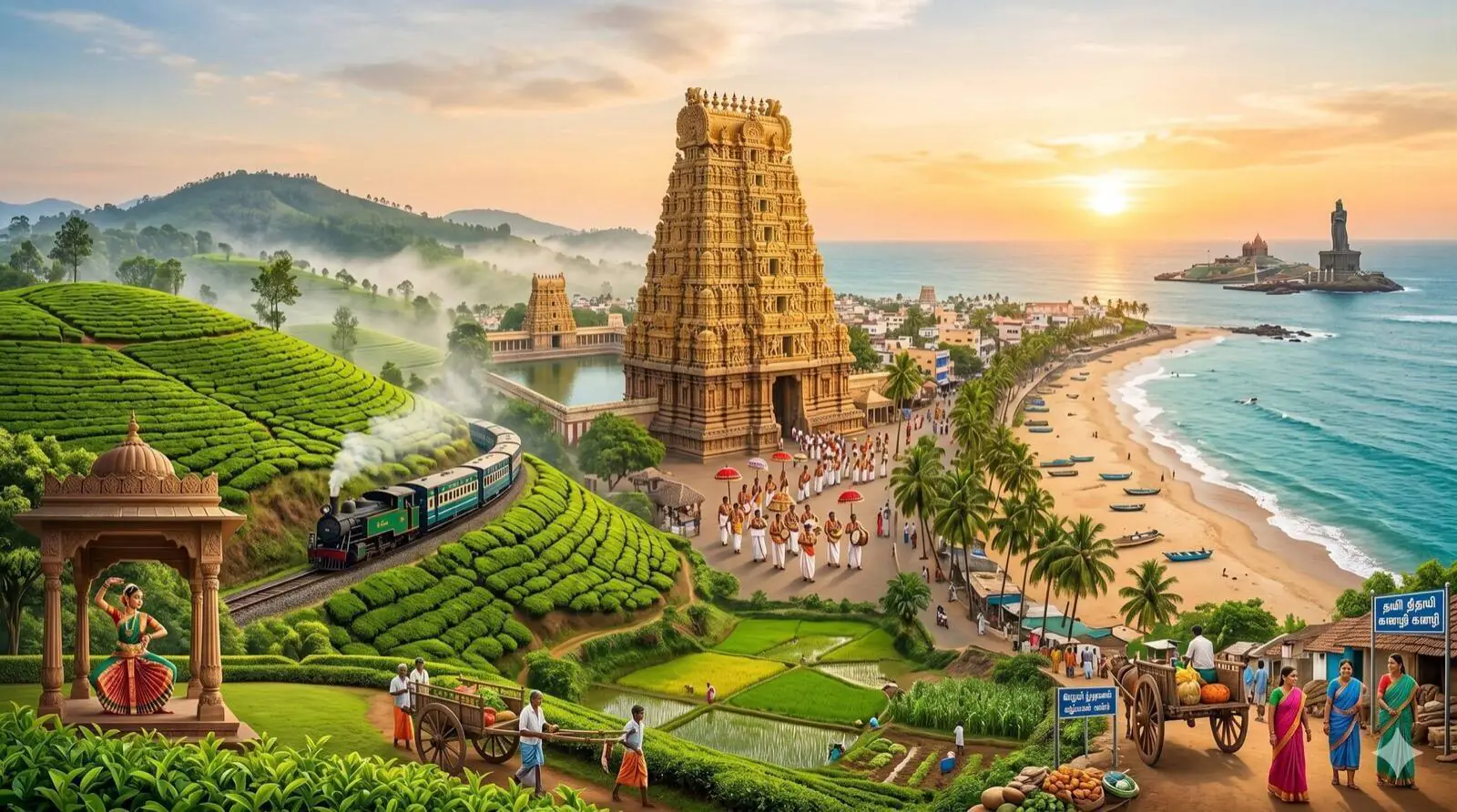
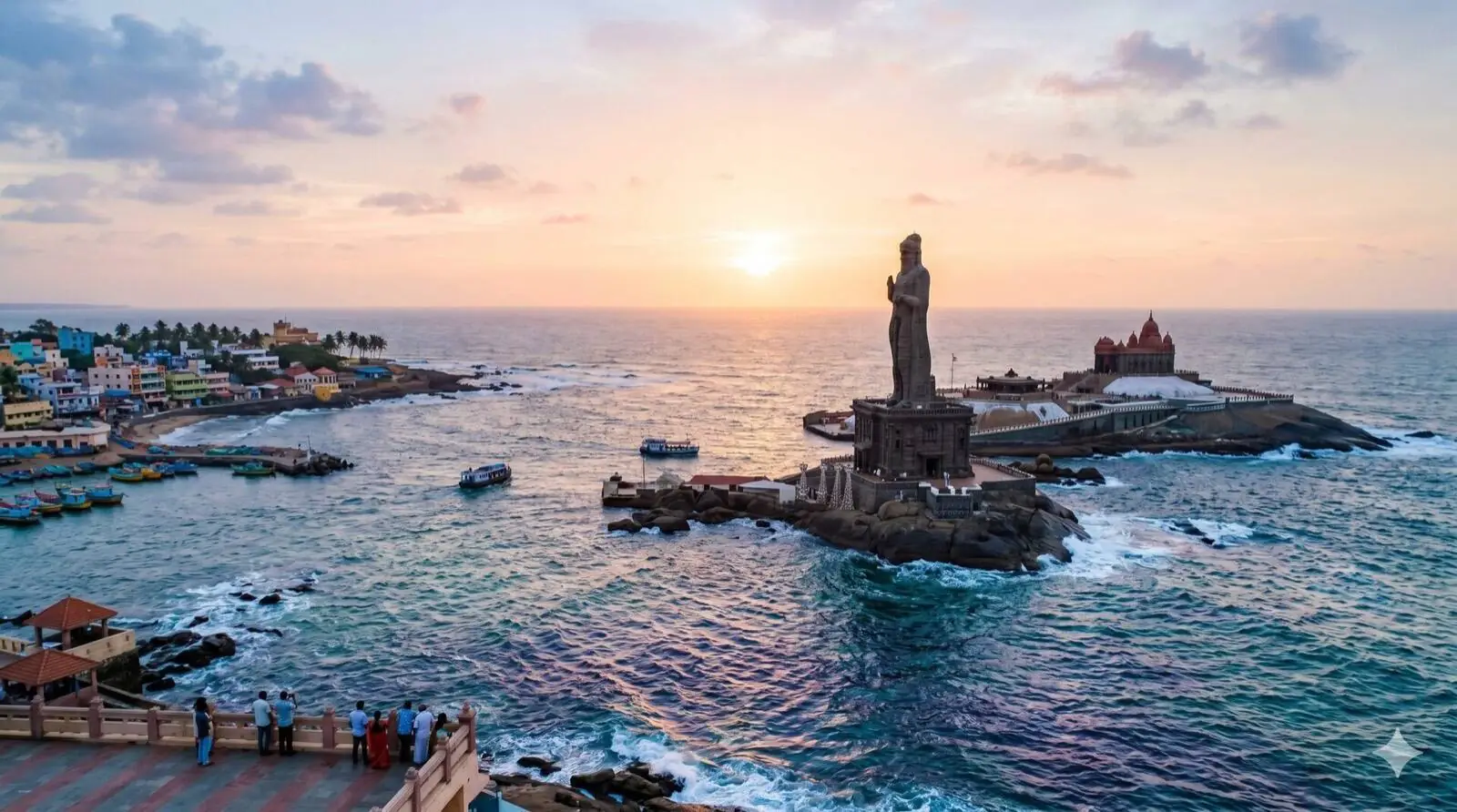
Our Tamil Nadu tours run the classic East Coast circuit — Chennai → Mahabalipuram → Pondicherry → Thanjavur → Madurai → Rameshwaram → Kanyakumari — adding the Chettinad mansion belt and (for those who want a hill break) Ooty in the Nilgiris. Time it for the December music festival in Chennai and you'll see Tamil Nadu at its cultural peak.